


Lashing straps for roof box
Sandax lashing straps for securing the roof box
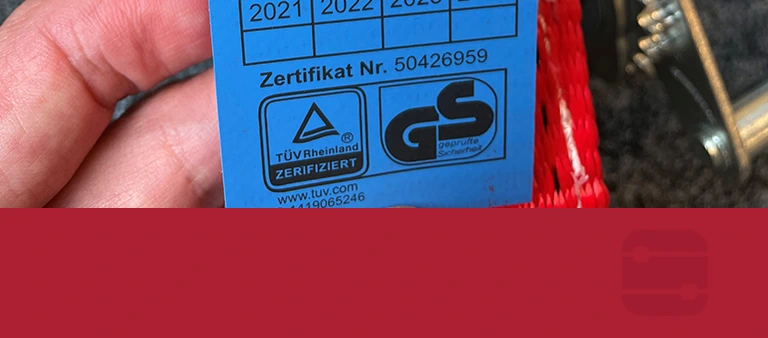
Lashing straps for roof box
Sandax lashing straps for securing the roof box
Buy tensioning straps for roof boxes to secure loads: Secure your roof box with tensioning straps
Securely fastening your roof box is essential for every journey - whether you're on an everyday trip or a long holiday. With our tensioning straps for roof boxes, you can ensure that your load remains reliably in place even at high speeds, in strong winds or during sudden braking manoeuvres. Our tensioning straps for roof boxes are easy to use, robustly made and offer you the option of additionally securing your roof box with a tensioning strap or optimally fastening the roof box with a tensioning strap.
At Sandax you will find a carefully selected range ofClamp lock strapsthat are specially adapted to the requirements of modern roof boxes. So you can be sure that your luggage is optimally protected during the journey - whether you are planning a long holiday trip or just a weekend getaway. Discover ourTensioning strapsfor roof boxes and benefit from greater safety, comfort and a good feeling on every journey!
Overview: Sandax tensioning straps for roof box
The following tensioning straps for roof boxes are always available from stock. If you need a tensioning strap that is not listed here, please contact us.

Clamp buckle strap, 5m, 25mm, LC 500daN, with buckle protection
€6.66*
Secure your load effortlessly with our high-quality cam buckle strap . Measuring 5 meters long and 25 mm wide, this strap is ideal for transporting a wide variety of items safely and securely. It boasts a load capacity of up to 500 daN , so you can rely on its reliability and strength. The integrated buckle protector provides additional security and protection against scratches or damage to your load . Whether for professional use or everyday transport tasks, this cam buckle strap is the perfect solution for securely securing your load.
What are tensioning straps for roof boxes?
Tensioning strapsfor roof boxes are securing straps that are used to fasten roof boxes reliably and securely to the vehicle roof. In contrast to conventional lashing straps, the length and material properties of lashing straps for roof boxes are optimised to meet the requirements of roof boxes. They make it possible to secure the roof box firmly to the base carrier or the railing with a lashing strap and thus prevent it from slipping or lifting during the journey.
A tensioning strap for the roof box is usually made of robust, weatherproof polyester fabric and is equipped with a sturdy clamp buckle. This makes it particularly easy and safe to attach the tensioning strap around the roof box. The special design ensures that the roof box remains firmly attached to the vehicle even when braking hard, cornering or travelling at high speeds.
Whether you want to additionally secure your roof box with tensioning straps or fasten the roof box with tensioning straps - these special straps are the ideal solution to ensure maximum safety and stability. Tensioning straps for roof boxes therefore make an important contribution to load securing and protect both your luggage and other road users.
Advantages: Secure the roof box with a tensioning strap
Securing the roof box with a tensioning strap offers numerous advantages and makes a decisive contribution to road safety. One of the most important aspects is the reliable protection against the roof box slipping or even lifting off during the journey. Especially at high speeds, sudden braking manoeuvres or strong crosswinds, an inadequately secured roof box can quickly become a hazard. With a tensioning strap for the roof box, you can effectively prevent the box from moving or coming loose unintentionally.
Another advantage: tensioning straps for roof boxes are particularly easy to use. They can be quickly placed around the roof box and tightened in a few simple steps. This saves you time and you can be sure that your load is optimally secured. Fastening the roof box with a tensioning strap also ensures that the luggage inside the box remains stable and is not damaged.
Many drivers choose to additionally secure the roof box with tensioning straps to achieve an even higher level of safety - especially on longer journeys or when travelling abroad. A high-quality tensioning strap roof box not only protects your luggage, but also other road users, as it significantly reduces the risk of accidents caused by falling loads.
Application: Fastening the roof box with a tensioning strap
The correct use of a tensioning strap for the roof box is crucial to ensure safety while driving. You can secure your roof box with a tensioning strap in just a few steps to ensure optimum stability:
- Prepare the tensioning strap:
Select a suitable tensioning strap for the roof box. Make sure that the strap is long enough to securely enclose the entire roof box.
- Place the tensioning strap around the roof box:
Guide the tensioning strap around the roof box and the roof rack. Make sure that the strap is centred as far as possible and is not twisted. This distributes the force evenly and also secures the roof box with the tensioning strap.
- Tighten the tensioning strap:
Use the ratchet or clamp buckle to tighten the tensioning strap for the roof box. The strap should be tight without damaging the material of the roof box.
- Check the fit:
Check that the roof box is securely fastened with the tensioning strap and cannot be moved. If necessary, tighten the strap and make sure that no loose ends are hanging down.
- Regular checks:
Check the fit of the tensioning strap regularly during longer journeys. Weather conditions or vibrations can cause the roof box tensioning strap to loosen slightly.
Tips for optimum securing:
- For longer journeys or heavy loads, use two tensioning straps to additionally secure the roof box.
- Position the lashing straps so that they do not rest on sharp edges or sensitive areas of the roof box.
- Make sure that the tensioning strap for roof boxes is UV and weather-resistant - this way it remains reliable even in the sun, rain or snow.
With these simple steps and tips, you can secure your roof box with a tensioning strap and set off on your next holiday or adventure with peace of mind.
Choosing the right tensioning strap for the roof box
Choosing the right tensioning strap for your roof box is crucial for secure and convenient fastening. Not every tensioning strap is suitable for roof boxes - so pay attention to a few important criteria to find the optimum solution for your vehicle and your requirements:
- Length and width:
The tensioning strap for the roof box should be long enough to securely enclose the box and the roof rack. A minimum width of 25 mm ensures sufficient stability and prevents cutting into the material of the roof box.
- Permissible load:
Pay attention to the specified lashing capacity (LC) of the tensioning strap. A lashing strap with a load capacity of at least 250 kg is recommended for roof boxes to be on the safe side even when heavily loaded.
- Material:
High-quality tensioning straps for roof boxes are made of durable, UV and weather-resistant polyester. This means that the lashing strap remains reliable and durable even in sun, rain or snow.
- Closure: Clamp locks ensure simple and secure fastening. They make it possible to secure the roof box quickly and firmly with a tensioning strap.
There are various types of tensioning straps for roof boxes, which differ in length, locking mechanism and material thickness. Classic lashing straps with a clamp lock are suitable for most roof boxes. For particularly large or heavy roof boxes, it is advisable to additionally secure the roof box with lashing straps and to use particularly sturdy models.
Frequently asked questions and answers (FAQ) about securing the roof box with a lashing strap
Many car drivers have questions on the subject of "securing a roof box with a tensioning strap". Below you will find answers to the most frequently asked questions so that you can secure your roof box optimally and safely.
When should the roof box be additionally secured with a lashing strap?
It is generally advisable to secure every roof box with a tensioning strap - regardless of how sturdily it is mounted on the roof rack. It is particularly advisable to secure the roof box with an additional lashing strap on long journeys, heavy loads or journeys abroad. This minimises the risk of the roof box coming loose during heavy braking, gusts of wind or poor road conditions.
How many lashing straps are needed for the roof box?
For most standard roof boxes, a single tensioning strap is sufficient to securely fasten the roof box. However, for particularly large, heavy or long roof boxes, it is advisable to use two lashing straps around the roof box. This distributes the load better and the roof box is doubly secured. Make sure that the tensioning stra ps for roof boxes are tightened evenly and positioned correctly.
What should I bear in mind on long journeys?
It is particularly important to check the roof box regularly on long journeys. Vibrations, temperature changes or rain can cause the tensioning strap for the roof box to loosen slightly. Therefore, every time you stop to refuel or after long journeys, check whether the roof box is still securely fastened with the tensioning strap. Tighten the strap if necessary and make sure that there are no loose ends hanging down.
How is the tensioning strap correctly positioned around the roof box?
The tensioning strap should be centred around the roof box and the roof rack so that the force is evenly distributed. Make sure that the tensioning strap for the roof box does not run over sensitive or protruding parts of the box to avoid damage. For longer roof boxes, it is advisable to place the tensioning straps at two points - at the front and rear - to ensure maximum stability.
How do I recognise a high-quality tensioning strap for roof boxes?
A high-quality tensioning strap for roof boxes is made of robust, tear-resistant polyester, is UV and weather-resistant and has a sturdy clamp lock. Before buying, check the maximum load capacity (lashing capacity) and make sure that the seams are clean. If in doubt, it is advisable to use tested branded products such as the roof box lashing straps from the Sandax range to ensure maximum safety.
Conclusion: More safety with tensioning straps for roof boxes
A roof box is ideal for creating additional storage space when travelling - but your load is only really safe with the right tensioning strap for the roof box. Whether you secure your roof box with a tensioning strap, additionally secure the roof box with a tensioning strap or place a tensioning strap around the roof box: High-quality tensioning straps provide reliable support, protect your luggage and give you peace of mind while driving.
With the right tensioning straps for roof boxes, you benefit from easy handling, maximum stability and optimum safety - regardless of the weather and route. Invest in tested roof box tensioning straps from the Sandax range and make no compromises when it comes to securing your load. So you can start every adventure worry-free and are guaranteed to reach your destination safely!