


Edge protectors
Cardboard edge protectors
for load securing

Edge protectors
Cardboard edge protectors
for load securing
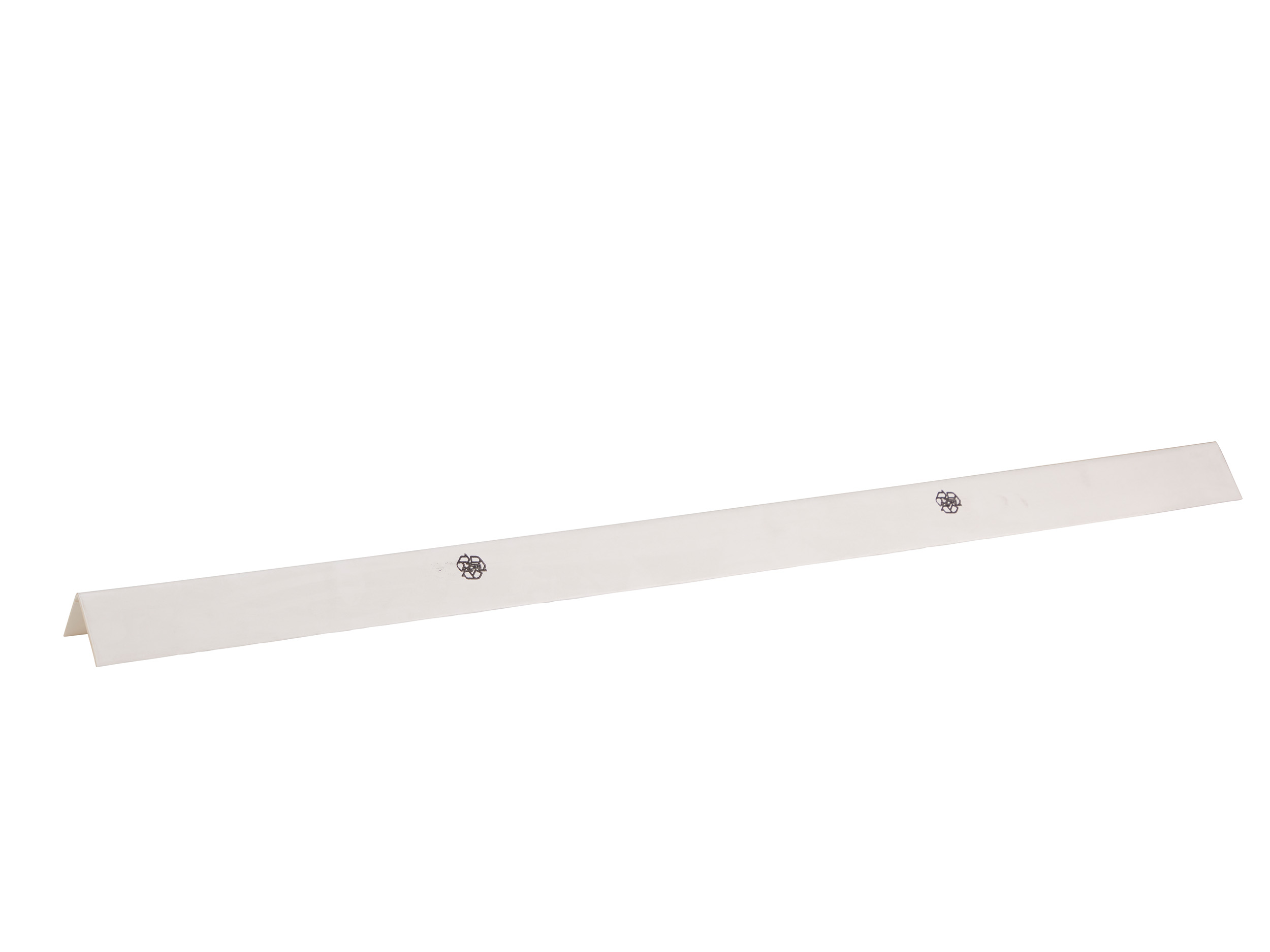
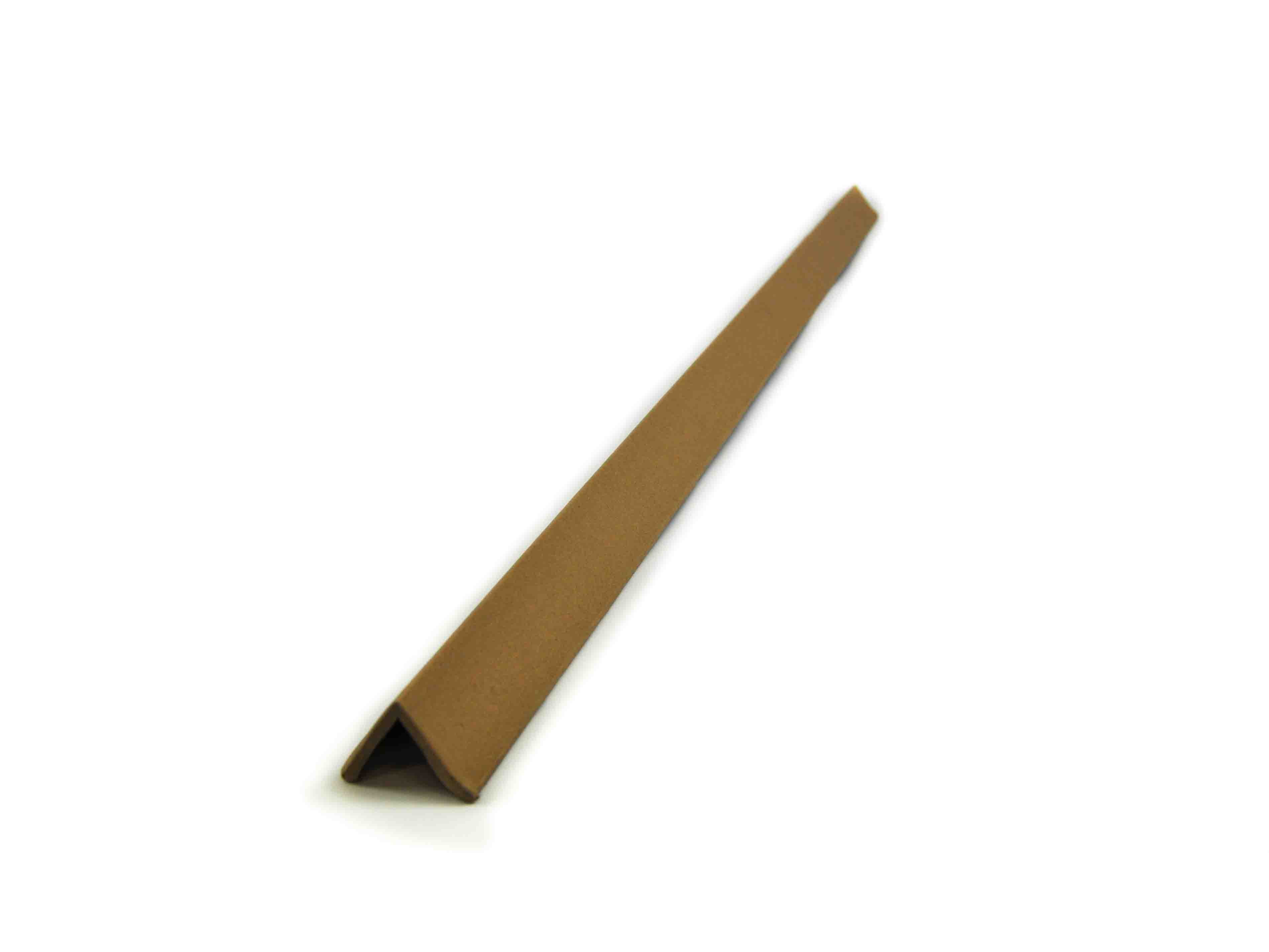
Cardboard edge protectors - cardboard angles for edge protection made from solid cardboard
In today's fast-moving world of logistics, cardboard edge protectors play a crucial role in securing and protecting goods during transport and storage. These specially designed protectors offer a cost-effective and low environmental impact solution to prevent damage to the corners and edges of fragile or heavy goods during transport. Sandax offers a variety of cardboard angles specifically designed to meet both economic efficiency and the highest safety standards.Edge protectorsmade of hard cardboard are available in coated and uncoated versions. The coated version has a higher weather resistance and is therefore used in environments where it is important that the edge protector can withstand moisture (e.g. for outdoor storage).Cardboard edge protectors are generally a disposable system. It is also correspondingly cheaper than its plastic counterpart, which is often used in conjunction with aTensioning strapis used.
By using solid cardboard edge protectors, companies benefit from numerous advantages, including:
- environmental compatibility: made from recyclable material, these edge protection solutions offer a sustainable option.
- cost savings:
- Compared to other materials such as plastic or metal, cardboard edge protectors are often cheaper to purchase.
- Ease of use and customisation: cardboard is easy to cut and adapt to different product shapes.
- Effective protection: despite their lightness and simplicity, they effectively protect against bumps, scratches and other transport damage.
Cardboard angles and cardboard mouldings for edge protection
All our stock items are listed below. Many other dimensions and sizes on request


Cardboard or plastic?
Of course, the environmental aspect also speaks in favour of pure cardboard brackets. The angles are sustainable as they are produced from renewable raw materials. They are also slightly cheaper than plastic edge protectors, but in some cases the strength of pure cardboard angles or cardboard mouldings is not sufficient. They can also swell if there is too much moisture and therefore lose their effectiveness.
Overview of cardboard edge prote
ctors Cardboard edge protectors, also known as cardboard angles, are indispensable aids in the packaging and transport industry. These solid cardboard products provide a simple but effective method of protecting the edges and corners of packaged goods. They are particularly useful for protecting products that are at high risk of damage during transport.Properties of cardboard edge protectors:
- Material: Made from compressed cardboard, which provides additional strength
- Flexibility: Can be cut to specific lengths to meet different packaging requirements
- Installation: Easy to apply by gluing or clamping between product and packaging material
- Environmentally friendly: Cardboard is biodegradable and can be made from recycled materials
- Cost-effective: They are one of the most cost-effective solutions on the market
- Customisable: Due to the simple nature of cardboard, these angles can be easily adapted to different product dimensions
- Lightweight: Their low weight adds hardly any weight to the overall load of the transported goods
Advantages of cardboard edge protectors
The use of cardboard edge protectors offers numerous advantages that make them an attractive choice for many industries. These advantages range from economic to ecological aspects, which makes them particularly relevant in times of increasing sustainability efforts- Environmental friendliness: cardboard is a sustainable material as it can be made from renewable resources and recycled. The use of cardboard edge protectors helps to reduce the environmental footprint of packaging processes.
- Cost efficiency: Compared to alternatives such as plastic or foam, cardboard edge protectors are often cheaper to purchase. This makes them particularly attractive for companies looking to save costs while still providing effective protection for their goods.
- Customisability: Cardboard edge protectors can be easily cut to any desired size, making them ideal for a wide range of products and packaging. They are also easy to apply using various adhesives or fastening methods.
- Easy handling and storage: Due to their light weight and stackability, cardboard edge protectors are easy to handle and store, reducing logistics and storage costs.
- Effective protection: Despite their simplicity, they offer robust protection against impact and pressure, which significantly reduces the likelihood of transport damage.
Disadvantages of cardboard
edge protectors Despite the many advantages that cardboard edge protectors offer, there are also some disadvantages that should be considered when deciding on the appropriate packaging material. These limitations can vary depending on the area of application and environmental conditions- Moisture sensitivity: cardboard is susceptible to moisture and water, which can weaken its structural integrity and lead to a loss of its protective function. This is a particularly critical problem in humid or wet environments.
- Limited durability: Compared to more durable materials such as plastic or metal, cardboard offers a limited lifespan, especially with frequent use or in harsh conditions.
- Reduced impact resistance: Although cardboard edge protectors offer basic protection, they can be less resistant to heavy impacts and heavy loads in extreme conditions than more robust materials.
- Limited reusability: Due to their nature and tendency to damage on first use, cardboard edge protectors are often not reusable, resulting in higher consumption rates and potentially more waste.
- Storage: Ideally store in a dry and protected place to minimise moisture absorption.
- Transport conditions: When planning transport, consider climatic conditions that could affect the cardboard.
- Frequency of use: Well suited for one-off or short-term applications, consider alternative materials for longer-term requirements.
Areas of application for cardboard edge protectors
Cardboard edge protectors are used in a variety of industries and circumstances. Their versatility allows them to be used for a wide range of products, especially where a lightweight and cost-effective solution is required.- Shipping and storage of flat goods: Ideal for protecting pictures, mirrors and other flat objects that can be easily damaged during transport.
- Furniture industry: Protects corners and edges of packaged furniture that are susceptible to knocks and scratches.
- Electronic products: Securing edges on packaged electronics such as televisions, monitors and other sensitive equipment.
- Printing and paper products: Protecting stacks of paper, printing plates and other materials that need to be protected from corner and edge damage.
- Art and antiques: Provides security for framed artwork and antique furniture, which are often irreplaceable assets.
Installation and application instructions for cardboard edge protectors
The correct installation and application of cardboard edge protectors is crucial to ensure maximum protection for your products. Here are some practical tips and guidelines to help use these protective elements effectively- Surface preparation: ensure that the surfaces to which the edge protector will be applied are clean, dry and free from oil or dust. This ensures optimum adhesion and prevents the protective angle from slipping.
- Correct positioning: Position the edge protector carefully on the corners and edges of the package. Ensure that it is firmly in place and completely covers the edges.
- Fastening: Many cardboard edge protectors have self-adhesive strips for easy installation. Remove the protective film and press the edge protector firmly into place. For models without adhesive strips, use packaging tape or strapping tape to securely fasten the protection.
- Check: After fitting, you should check that the edge protector is in place and ensure that it does not slip. A good fixation is essential to provide protection throughout transport.
Comparison: Cardboard edge protectors vs. other materials
Comparison of materials:
Disadvantages of cardboard: Less durable in damp conditions, limited reusability, lower impact resistance Cardboard
Disadvantages of plastic: More expensive to purchase, less environmentally friendly, heavier Plastic is suitable for frequent reuse, humid environments and products that require robust protection.
Buying advice for cardboard edge protectors
Choosing the right cardboard edge protector requires careful consideration of various factors to ensure that the product effectively fulfils the required protective function. Here are some key aspects to consider when purchasing cardboard edge protectors to make the best choice for your specific needs.- Size: Make sure that the dimensions of the edge protector fit the dimensions of your product. Check the length, width and thickness of the bracket.
- Adaptability: Consider whether the cardboard angles are suitable for the specific shapes and edges of your products or whether adjustments are necessary.
- Quality: Look for high-quality cardboard that offers sufficient strength and density to ensure protection against impact and pressure.
- Environmental impact: favour products made from recycled materials.
- Transport conditions: Consider the transport and storage conditions under which the products will be shipped. Do you need light protection or do your products need to be protected against heavy impacts?
- Reusability: Consider whether a single use is sufficient or whether you prefer reusable solutions.
- Price: Compare the costs of different suppliers and consider volume discounts for bulk orders.
- Cost-benefit analysis: Evaluate whether the longer-term savings from damage prevention justify the initial investment costs.
- Wrong choice of size: Edge protectors that are too small or too large can inadequately secure the product and cause damage.
- Inappropriate material density: Cardboard angles that are too thin may not provide the required protection.